
Why Yoga?
Living with chronic pain likely means you’ve been on a long journey to find relief. There are many ways to treat symptoms and ease pain, but the best one I’ve found is movement.

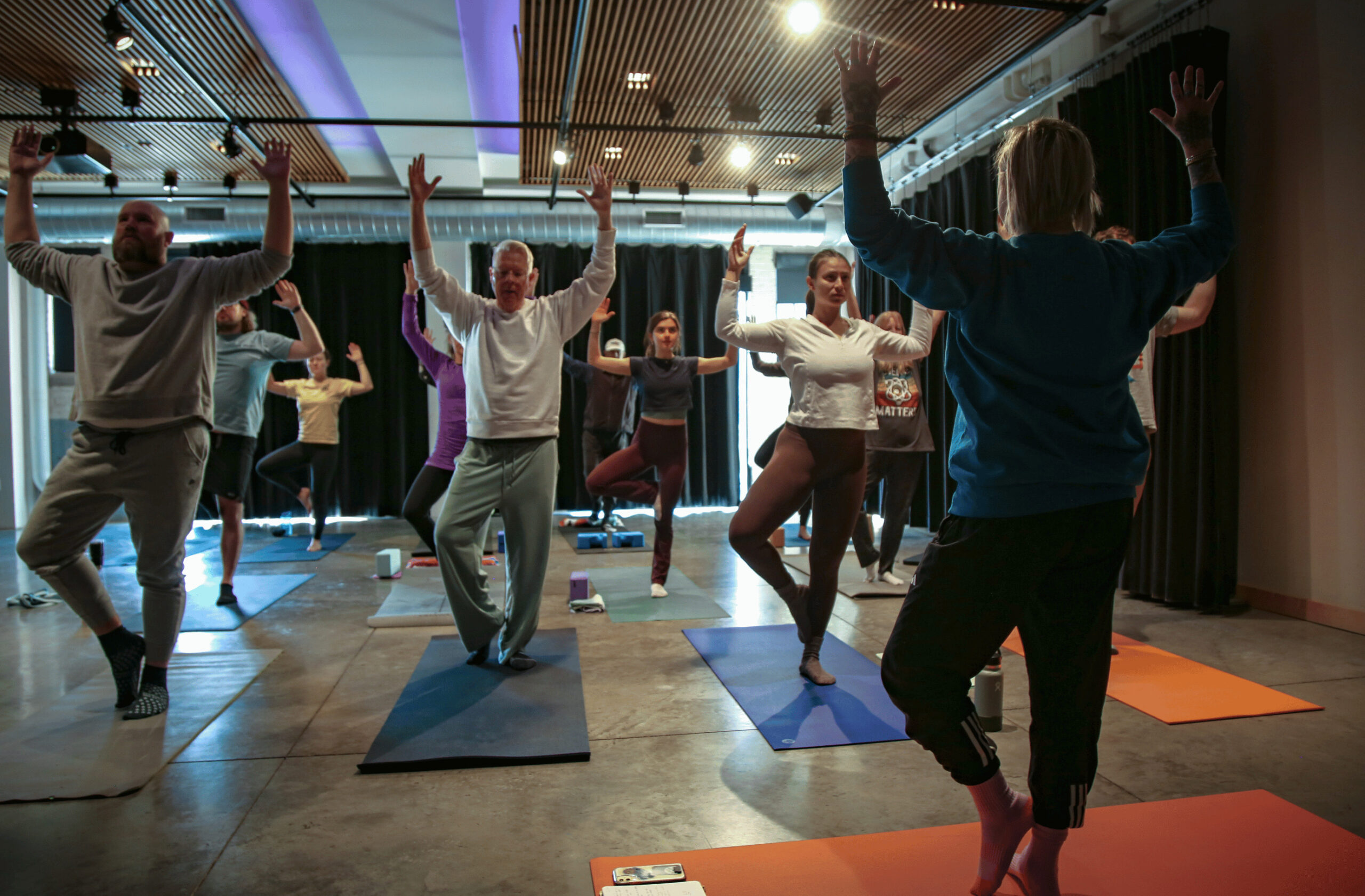
Movement Heals
I know how hard it is to consider moving your body when you’re in pain – but movement is essential! Move it or lose it, baby.
The beauty of yoga is its adaptability. Yoga will meet you where you are at each day. Some days that looks like lying on the floor in stillness, some days it looks like standing on your head; & most days its somwhere in between.

10 ways yoga can help ease chronic pain:
1. Pain Reduction & Management
Because yoga encompasses much more than just physical postures, it is a powerful tool in pain management. The combination of gentle movement, breathing techniques, nervous system regulation & mindfulness can alter pain perception and reduce overall pain sensation.
2. Improved Physical Function & Mobility
Yoga rehearses functional movements such as getting up & down from the floor, balancing & reaching your toes. Moving the body through a wide range of motion helps maintain & often regain mobility; Building strength in muscles, bones & joints to perform daily activities with greater ease.
3. Stress Hormone Regulation
A regular yoga practice helps reduce cortisol levels & regularly activates the parasympathetic nervous system; both of which aid in counteracting the chronic stress response often associated with persistent pain. This hormonal rebalancing can break the vicious cycle where stress exacerbates pain & pain increases stress.
4. Better Sleep Quality
Good sleep is crucial for pain management, as poor sleep can lower pain thresholds and increase pain sensitivity. Yoga’s aid to exhaust the body, balance the nervous system & oxyginate the brain are all helpful when it comes to sleeping better. Personal experience, student reports & scientific studies all indicate that yoga improves sleep duration & quality.
5. Reduced Inflammation
Research has found that a single yoga practice can decrease inflammatory markers such as interleukin-6 and C-reactive protein. Since chronic inflammation often contributes to persistent pain conditions, this anti-inflammatory effect may help address underlying pain mechanisms rather than just symptoms.
6. Improved Mood & Reduced Depression
Chronic pain commonly causes situational depression & impacts mood stabilization. Through the combination of physical movement, breathing exercises & mindfulness, a reduced level of anxiety is often reported. Studies have found that a regular yoga practice can boost mood-regulating neurotransmitters like serotonin and GABA.
7. Enhanced Pain Coping Strategies
Just as much a practice for the mind as it is the body, yoga helps people develop better pain coping mechanisms through increased body awareness & mindfulness skills. Practitioners learn to observe pain sensations without immediately reacting, which can reduce the emotional distress associated with chronic pain.
8. Nervous System Regulation
Yoga practice influences the central nervous system’s pain-processing pathways, rewiring the brain’s perception of pain signals. It also establishes & encourages prolonged periods of time accessing the parasympathetic (rest & digest) side of the autonomic nervous system. Both are integral parts of pain inhibition & emotional regulation.
9. Improved Balance & Fall Prevention
For individuals whose chronic pain affects mobility, yoga has been proven to improve balance; thereby reducing fall risk & making everyday things like walking significantly more stable. This is particularly important for those with conditions like arthritis or neuropathy, where pain can compromise stability & confidence in movement.
10. Social Support & Self-Efficacy
Involving yourself in a yoga community can provide social connection, often finding like-minded individuals & reducing the feeling of isolation commonly associated with living in chronic pain. Additionally, learning & practicing yoga techniques can increase self-efficacy, giving you a sense of control over your pain experience.
Why Yoga?
The evidence base for yoga in chronic pain management continues to grow – with many studies showing effects comparable to pain medications like NSAIDs
Other common side effects include improved stress coping skills & better quailty sleep.
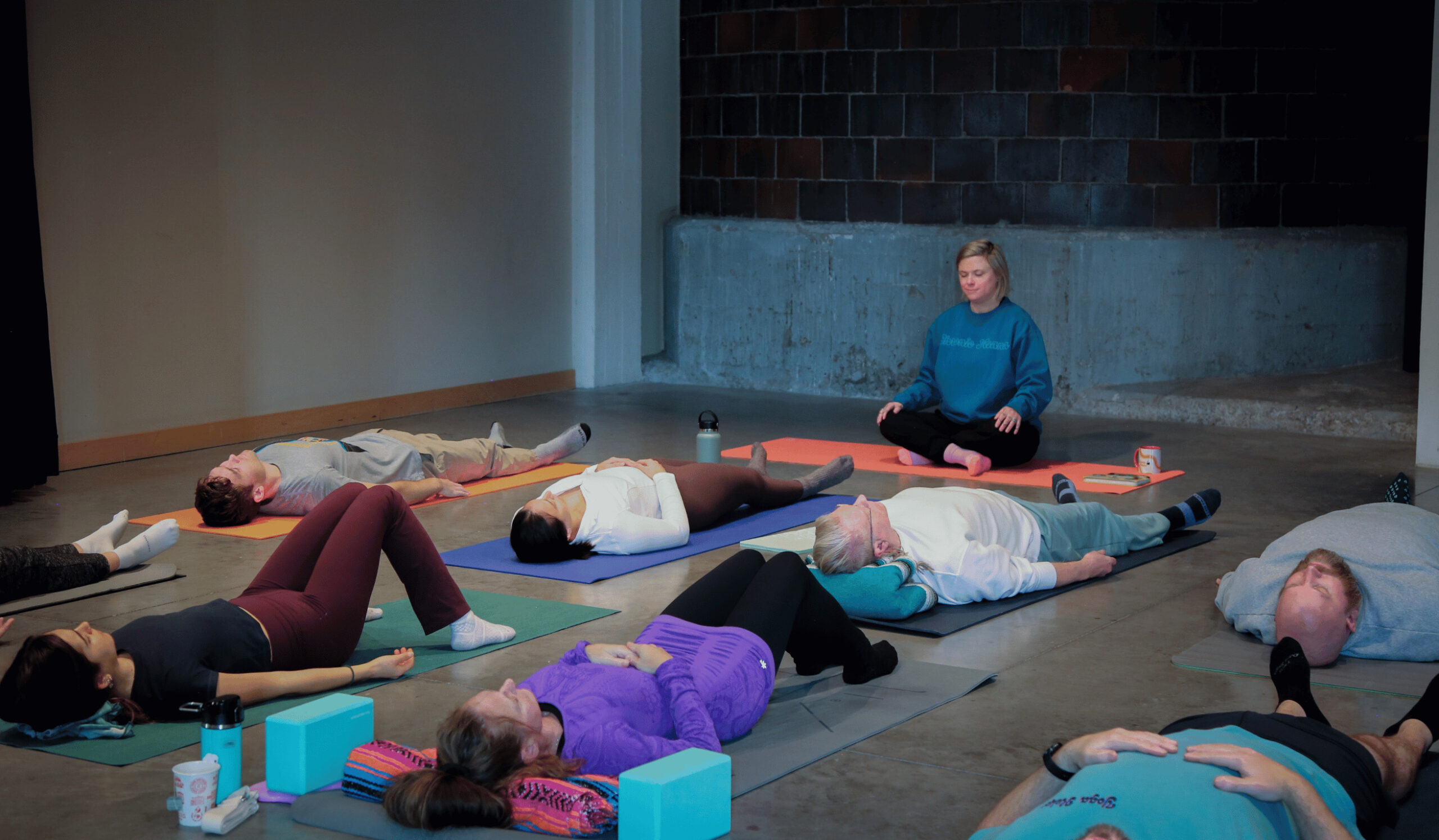

One of my favorite things about yoga is that its referred to as a ‘practice.’ Reminding you that perfection is never the goal & that the work is never done. Scary? A little. Worth it? One million percent.